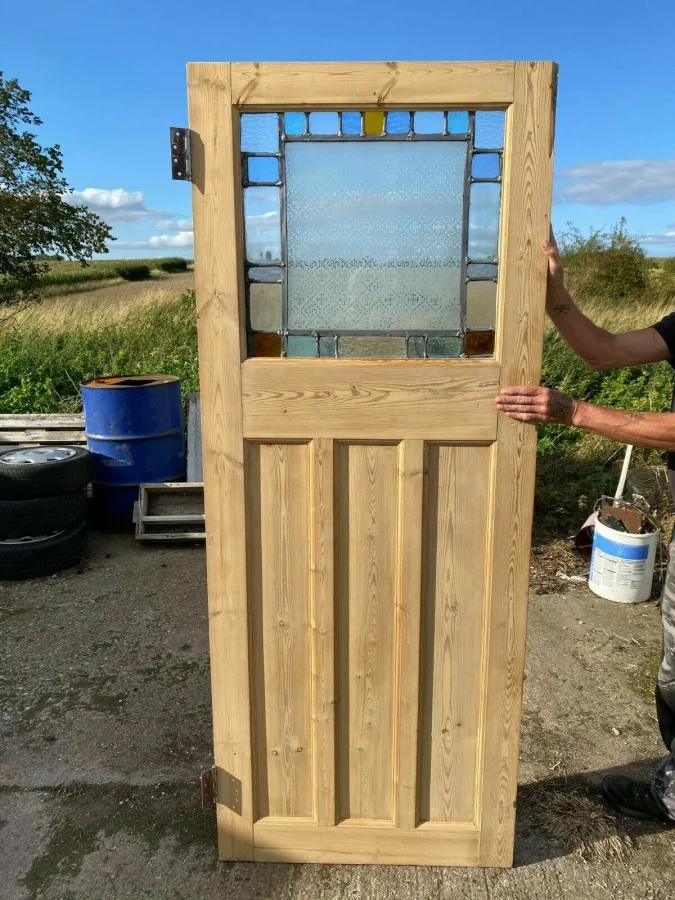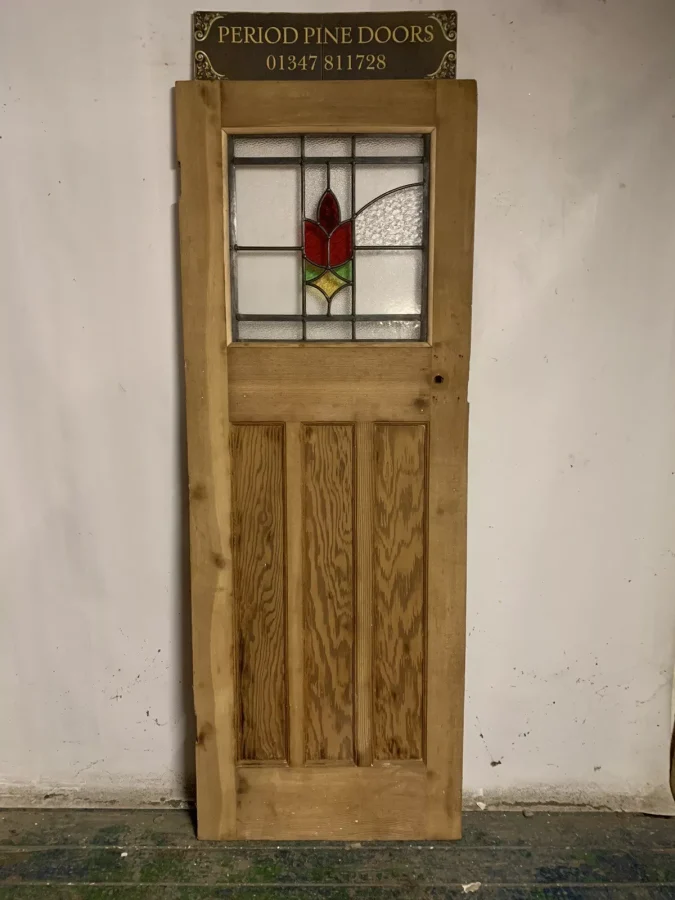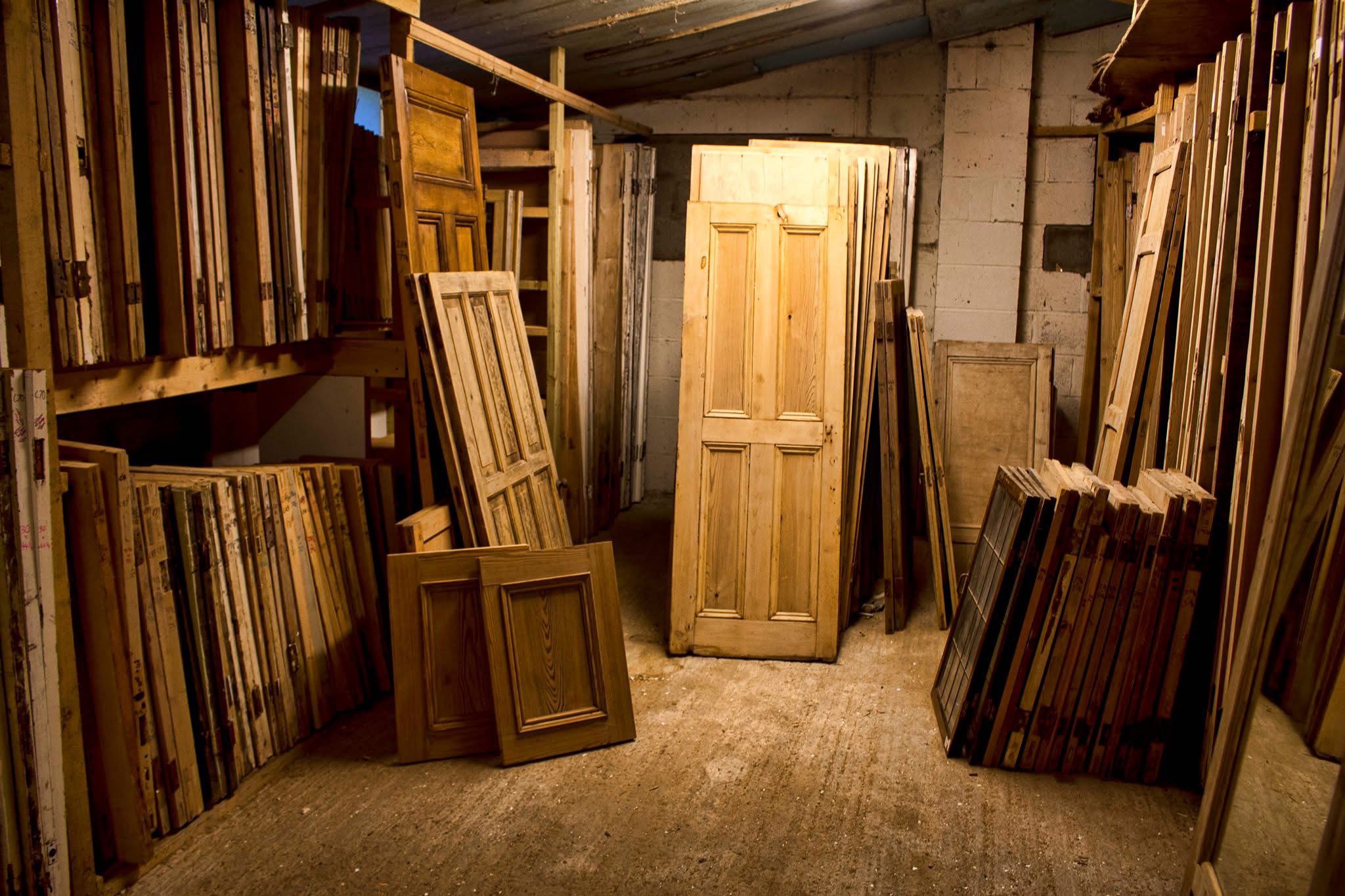
Key characteristics include
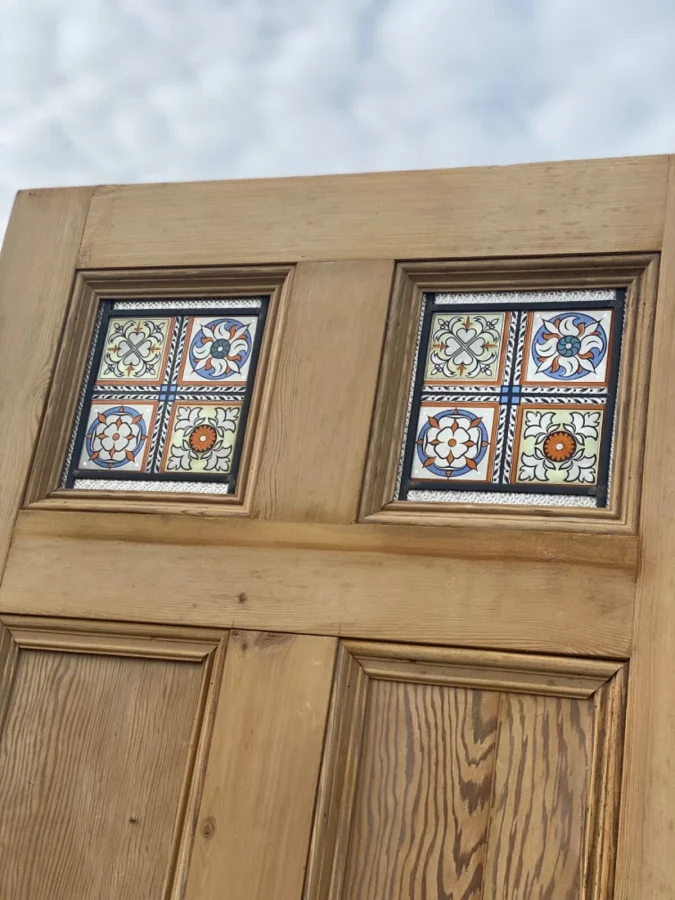
- Raised and fielded panels, especially prevalent in Victorian-era styling .
- Reclaimed status, often stripped and sanded, with wear that tells a story of age and use.
- Historical versatility, suitable as either external or internal doors depending on era, design, and condition .
- Scalpel-like joinery, such as mortice-and-tenon, that was standard in period craftsmanship.
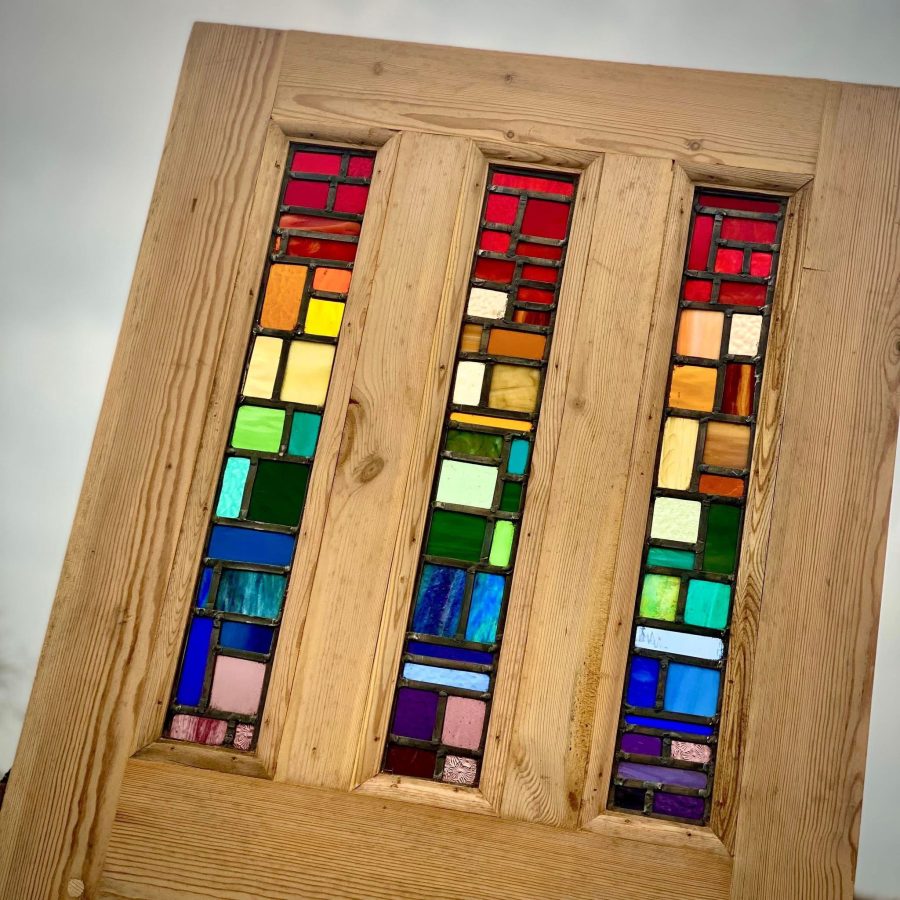
Reclaimed Georgian Doors
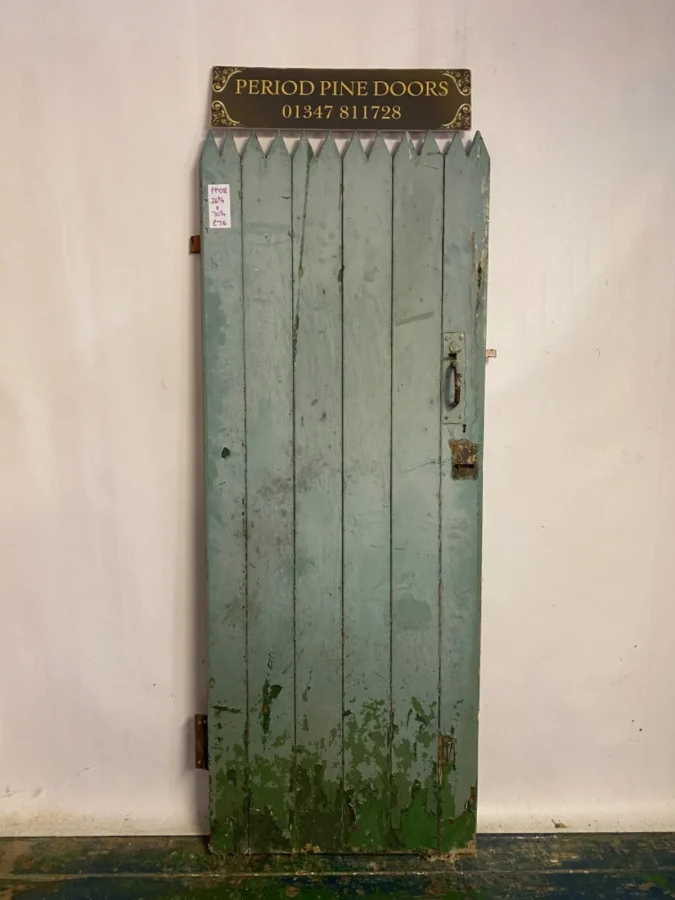
For authenticity, reclaimed doors from the era (1714–1830) remain available, offering rich character through their traditional construction and historical patina. Here are some visual examples of ledge-and-brace (also called brace-and-ledge) doors, often seen from the 17th century and beyond—especially in rustic cottages, barns, and historic interiors. These images feature the classic construction: vertical planks supported at the back by horizontal rails (ledges) with a diagonal brace forming a ‘Z’ pattern.
What Makes a Georgian Door Distinctive?
Symmetry and Proportion Georgian doors are celebrated for their balance and classical influence, reflecting architectural ideals rooted in ancient Greek and Roman principles. These designs emphasize harmony and proportion throughout the façade.
Ledge & Braced Cottage Style
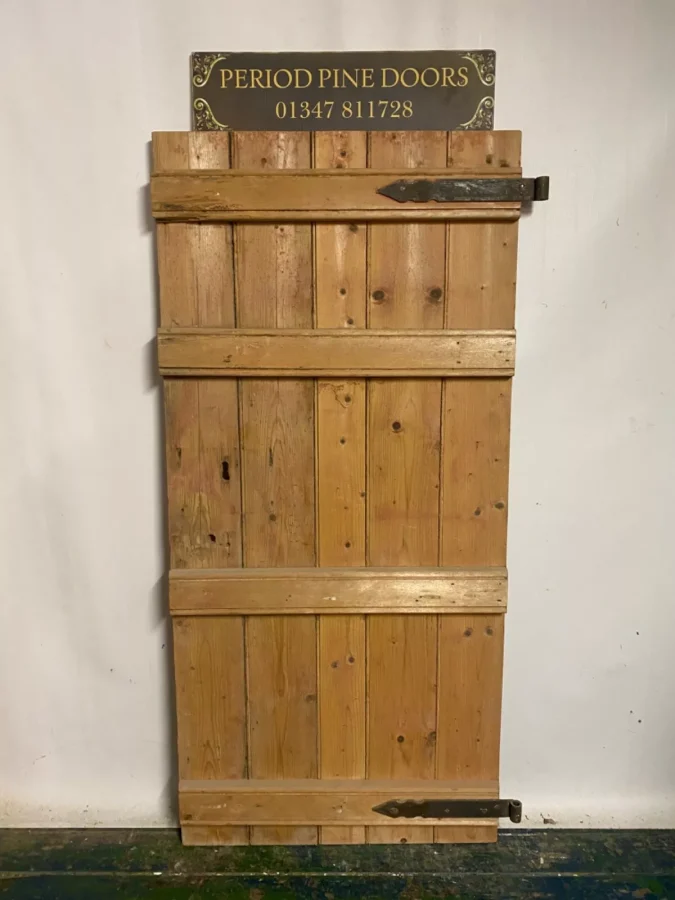
Here are some visual examples of ledge-and-brace (also called brace-and-ledge) doors, often seen from the 17th century and beyond—especially in rustic cottages, barns, and historic interiors. These images feature the classic construction: vertical planks supported at the back by horizontal rails (ledges) with a diagonal brace forming a ‘Z’ pattern.
What Defines a 17th-Century Ledge & Brace Door?
- Simple yet robust construction: These doors consist of vertical wooden boards joined by horizontal ledges and reinforced with a diagonal brace on the reverse side, traditionally forming a ‘Z’ shape.
- Timber selection: Oak was most commonly used due to its durability; pine is also seen in lighter, more economical variants.
- Historical context: By the 17th century, four-plank doors became popular. Builders initially used treenails (wooden pegs), later switching to iron nails for longer-lasting joinery.
- Front and back distinction: The front presents a clean look of vertical planks, while the back reveals ledges and braces—highlighting a practical, structural approach typical of the era.
Why These Doors Endure
- Maintenance-friendly: Simpler to repair than panelled or glazed doors—damaged sections can be replaced individually without rebuilding the entire door.
- Timeless aesthetic: Despite their historic roots, these doors are enjoying a revival in contemporary design—an exemplar of a “contemporary classic” that fits both traditional and modern interiors.
- Functional benefits: Solid oak construction resists warping; reclaimed examples have often already undergone most movement, making them more stable and eco-friendly.
Key Characteristics of 1930s Internal Doors
Panel Configurations & Designs
- The hallmark “1 over 3” layout features a larger top panel above three smaller bottom panels, commonly found in 1930s interiors .
- Another variation is the “3 over 3” layout with three panels both above and below, sometimes seen in earlier or overlapping interpretations of the era’s style .
- There are also horizontal five-panel doors, offering a streamlined and symmetrical look with a more modernist or Art Deco flair.
Glazing Elements
- Internal doors from this era often incorporated glazed panels, typically placed in the top section. Glass was frequently frosted, reeded, or etched, combining privacy with light flow—an Art Deco aesthetic hallmark.
Timber & Construction
- Common timbers included Douglas Fir, prized for its strength, resilience to rot, and straight, close-grain appearance.
- Pitch Pine was also popular, appreciated for its noticeable grain and durability.
- For more upscale interiors, oak (and occasionally mahogany) was chosen to showcase grain and high-quality aesthetics.
Finishes & Aesthetics
- Painted finishes—especially in white, cream, or light neutrals—were typical in modest homes, offering clean lines and ease of maintenance.
- In higher-end settings, the natural beauty of the timber was highlighted through staining or varnishing, emphasizing texture and grain . 5. Design Style & Influence
- These doors often reflect Art Deco sensibilities—a move away from ornate Victorian or Edwardian periods toward cleaner geometric forms, simplicity, and understated elegance.
- The minimalist trimmed panels and rational layouts make these internal doors timeless, blending seamlessly with both traditional and contemporary interiors.
Design Style & Influence
- These doors often reflect Art Deco sensibilities—a move away from ornate Victorian or Edwardian periods toward cleaner geometric forms, simplicity, and understated elegance.
- The minimalist trimmed panels and rational layouts make these internal doors timeless, blending seamlessly with both traditional and contemporary interiors.